Showing posts with label kitguru. Show all posts

Sunday, 18 January 2015

G.Skill introduces 3.40GHz DDR4 memory modules

G.Skill, a leading maker of dynamic random access memory (DRAM) modules for enthusiasts, has unveiled its first 3.40GHz DDR4 memory chips. While the company is not the first to announce 3.40GHz DDR4 solutions, it will be the first to actually ship appropriate DDR4 memory modules in volume.
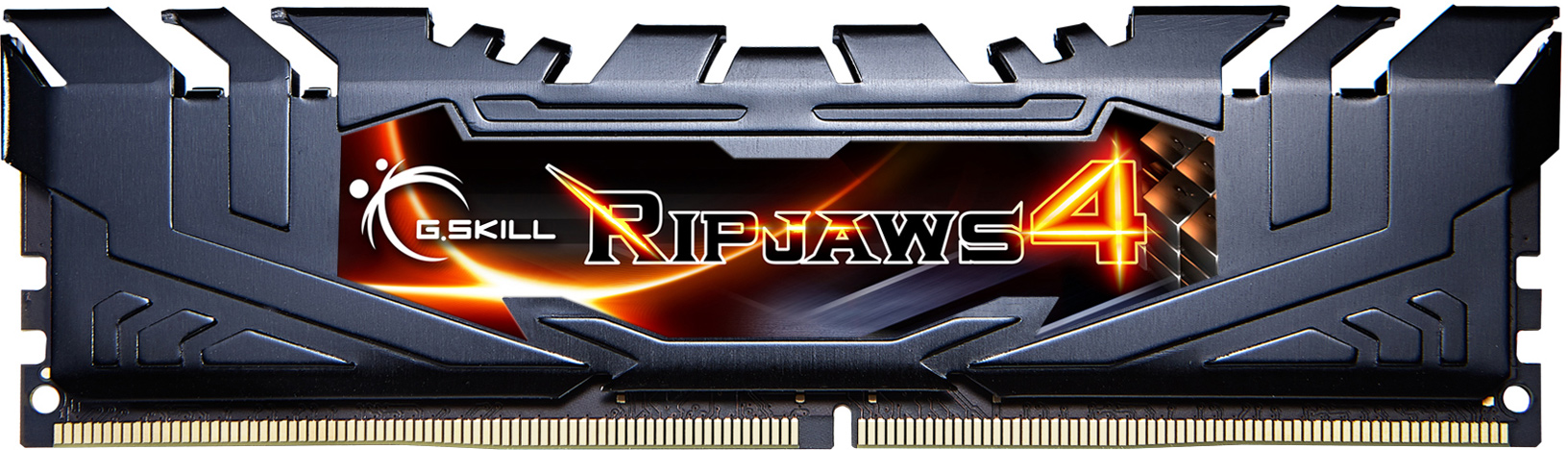
G.Skill’s Ripjaws 4 new DDR4 memory modules are rated to run at 3400MHz with CL16 16-16-36 latency settings and 1.35V voltage. The memory sticks will be available in quad-channel 16GB (4GB*4) memory kits for Intel Core i7 “Haswell-E” high-end desktop platforms (HEDT). The new high-performance memory kits come with awesome Turbulence III memory fans.
gskill ripjaws black ddr41 1024x293 G.Skill introduces 3.40GHz DDR4 memory modules
Separately, G.Skill introduced a DDR4 3200MHz memory kit with CL15 timings, which should become popular among those, who believe that latency settings play a good role in memory sub-system’s performance nowadays.
gskill specs G.Skill introduces 3.40GHz DDR4 memory modules
According to G.Skill, the new Ripjaws 4 DDR4 3400MHz 16GB (4GBx4) memory kit is made from hand-picked DRAM devices during  a “highly-selective binning process.” The modules have been tested for compatibility on the Asus Rampage V Extreme and Gigabyte X99-SOC Champion motherboards, the manufacturer said.
G.Skill did not reveal the price of the new modules and memory kits, but given their exclusive specifications, do not expect them to be affordable.
Source: http://www.kitguru.net/components/memory/anton-shilov/g-skill-introduces-3-40ghz-ddr4-memory-modules/
If you want to contact RDT please feel free to call between the hours of 9am-8pm AEST. deon@robertsondt.com Ph: 0426279566 or visit https://www.facebook.com/rdtaus

Monday, 8 December 2014

The Witcher 3 delayed again until May 2015

CD Projekt Red has made the decision to delay The Witcher 3: The Wild Hunt again, this time by three months. The highly anticipated open-world RPG was originally supposed to come out in October this year but was originally delayed until February in order to ensure the game was up to scratch before release.
The Witcher 3 will now launch on the 19th of May 2015. The delay was announced in an open letter to fans from CD Projekt Red, apologizing for setting a release date too hastily.
“The sheer size and complexity of The Witcher, key features of the title, have had a decisive impact on production. Now, nearing the end of our work, we see many details that need to be corrected. When we release the most important game in our studio’s history, we must be absolutely sure that we did everything we could to limit any bugs to a level that will allow you to enjoy the game thoroughly.”

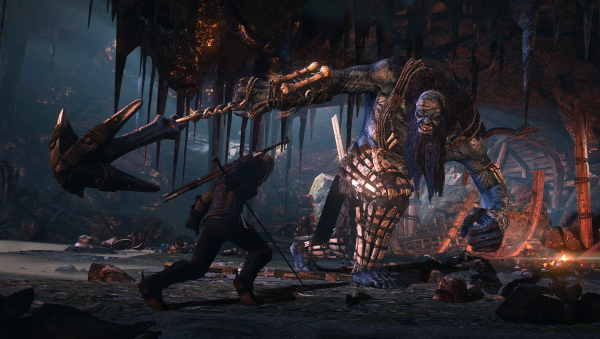
NEW The Witcher 3 Wild Hunt Ice Giant Hunt e1418055961622 The Witcher 3 delayed again until May 2015
Ultimately, the team decided that even though they were all working full speed, another three months would be needed:
“With this in mind, we took another look at current workloads and what they mean for the team. Even though everyone is working at full speed, we concluded that we need another 12 weeks, so we are shifting the release date of The Witcher 3: Wild Hunt to May 19th, 2015.”
The letter ends with an apology for hastily setting two release dates: “We owe you an apology. We set the release date too hastily. It’s a hard lesson, one to take to heart for the future. We know what we want to do to make Wild Hunt one of the best RPGs you will ever play. And we continue to work hard to achieve just that. So, we apologize and ask for your trust.”
Source: http://www.kitguru.net/gaming/matthew-wilson/the-witcher-3-delayed-again-until-may-2015/
If you want to contact RDT please feel free to call between the hours of 9am-8pm AEST. deon@robertsondt.com Ph: 0426279566 or visit https://www.facebook.com/rdtaus

Sunday, 7 December 2014

Apple forced to pull Safari OS X update

Apple seems to be making a habit of releasing buggy software this year, first the company ran in to many issues getting iOS 8 off the ground and now it has had to pull a Safari update after users reported that it forced them to re-install the OS X operating system.
The Safari update from the third of December addressed 13 security vulnerabilities, a few of which could have been fairly serious and were discovered by Apple internally. However those trying to update soon started complaining as they found Safari completely removed from their systems, Apple support then instructed those affected to re install OS X in order to recover the browser.
os x yosemite roundup Apple forced to pull Safari OS X update
Apple has since withdrew the update without commenting on the problems. Users at Macrumors posted links to the Safari updates on Apple’s distribution network, these links still currently work. Users have reported that after re-installing Safari from the content distribution network link, everything worked as normal again.
Apple has yet to officially acknowledge the problem. If you updated Safari and don’t feel like re-installing OS X, then give the content distribution link a go and see if that helps.

Source: http://www.kitguru.net/apple/matthew-wilson/apple-forced-to-pull-safari-os-x-update/

If you want to contact RDT please feel free to call between the hours of 9am-8pm AEST. deon@robertsondt.com Ph: 0426279566 or visit https://www.facebook.com/rdtaus

Microsoft delays Windows 10 launch to ‘late summer – early fall’ of 2015

Microsoft Corp. this week revealed that the launch timeframe of its next-generation Windows 10 operating system had been delayed to “late summer – early fall” of 2015. Previously it was believed that the OS was due in the first half of next year, but due to some reasons the software giant decided to push the release back. The company is still on-track to show off consumer features of Windows early in 2015.
“The thing I want to tell you about on Windows 10 is in the Windows 10 timeframe, which we plan to talk about the end-user consumer experiences in the early spring, we’ll have a developer preview and be able to talk to that in depth in the early summer timeframe,” said Kevin Turner, chief operating officer of Microsoft at the Credit Suisse 18th Annual Technology Conference. “Then by next late summer and early fall we’ll be able to bring out this particular OS. That’s the current plan of record.”
The first rumours about Microsoft’s operating system code-named “Threshold” emerged in late 2013. In early 2014 it transpired that the world’s largest software designer was hard at work to release the new OS as early as in late 2014 in a bid to boost sales of PCs hampered by low popularity of Windows 8. Eventually different sources pointed to the first half of 2015 as the ship target for the next Windows, but it turns out that Microsoft’s new OS will only hit the market in late summer or early fall of 2015, roughly three years after Windows 8.
microsoft windows 10 Snap improvements 1024x575 Microsoft delays Windows 10 launch to ‘late summer – early fall’ of 2015
Based on unofficial information, Microsoft will publicly preview consumer features of Windows 10 at a special event in late January. According to a report by Mary J. Foley, a well-known Microsoft watcher, the software giant will unveil capabilities of Windows 10 for mobile devices, which will work on smartphones as well as tablets powered by ARM or Intel microprocessors. It is expected that Microsoft will show its new code-named “Continuum” touch-based user interface at the event.
Microsoft Windows 10 will power virtually all types of devices that exist today, including desktop and notebook PCs, hybrid 2-in-1 systems, tablets, smartphones and even certain embedded applications. The OS will intelligently tweak its user interface for every device type. Many of “classic” Windows elements are expected to return to Windows 10 versions for desktops and notebooks. The next Microsoft operating system will ship with cross-platform DirectX 12 application programming interface.
Source: http://www.kitguru.net/gaming/operating-systems/anton-shilov/microsoft-delays-windows-10-launch-to-late-summer-early-fall-of-2015/
If you want to contact RDT please feel free to call between the hours of 9am-8pm AEST. deon@robertsondt.com Ph: 0426279566 or visit https://www.facebook.com/rdtaus

Friday, 21 November 2014

The Moto 360 2 might be coming out early next year

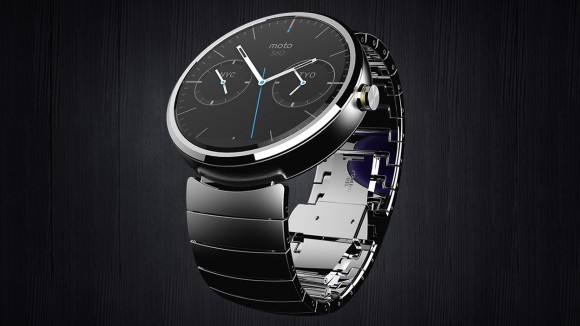
The original Moto 360 smartwatch has only been out for a few months but there is already rumors floating around, suggesting that the next iteration of the product could launch as soon as early next year, presumably during Q1.
According to Lenovo Eastern Europe Vice President, Gleb Mishin, the original Moto 360 will launch in Russia early next year, at the same time as the second generation version. The updated Android Wear smartwatch will feature a “modified design”, the aim is apparently to make the watch look more like a classic watch.
moto 360 smartwatch 580 90 The Moto 360 2 might be coming out early next year
While this Lenovo VP seems to have jumped the gun a bit on Motorola’s future plans, the company probably won’t be announcing anything officially until next year, when we get a bit closer to the potential release window.
The Moto 360 launched back in September alongside the new Moto X and Moto G smartphones. The watch utilizes the Android Wear operating system, which uses a Google Now like interface to show notifications and important information. The watch comes with metal or leather straps and you can customize the watch face in the OS itself.
The closest competitor to the Moto 360 is LG’s G-Watch, which also debuted with Google’s new wearable OS.
Source: http://www.kitguru.net/channel/generaltech/matthew-wilson/the-moto-360-2-might-be-coming-out-early-next-year/
If you want to contact RDT please feel free to call between the hours of 9am-8pm AEST. deon@robertsondt.com Ph: 0426279566 or visit https://www.facebook.com/rdtaus

Intel promises 10TB+ SSDs thanks to 3D Vertical NAND flash memory

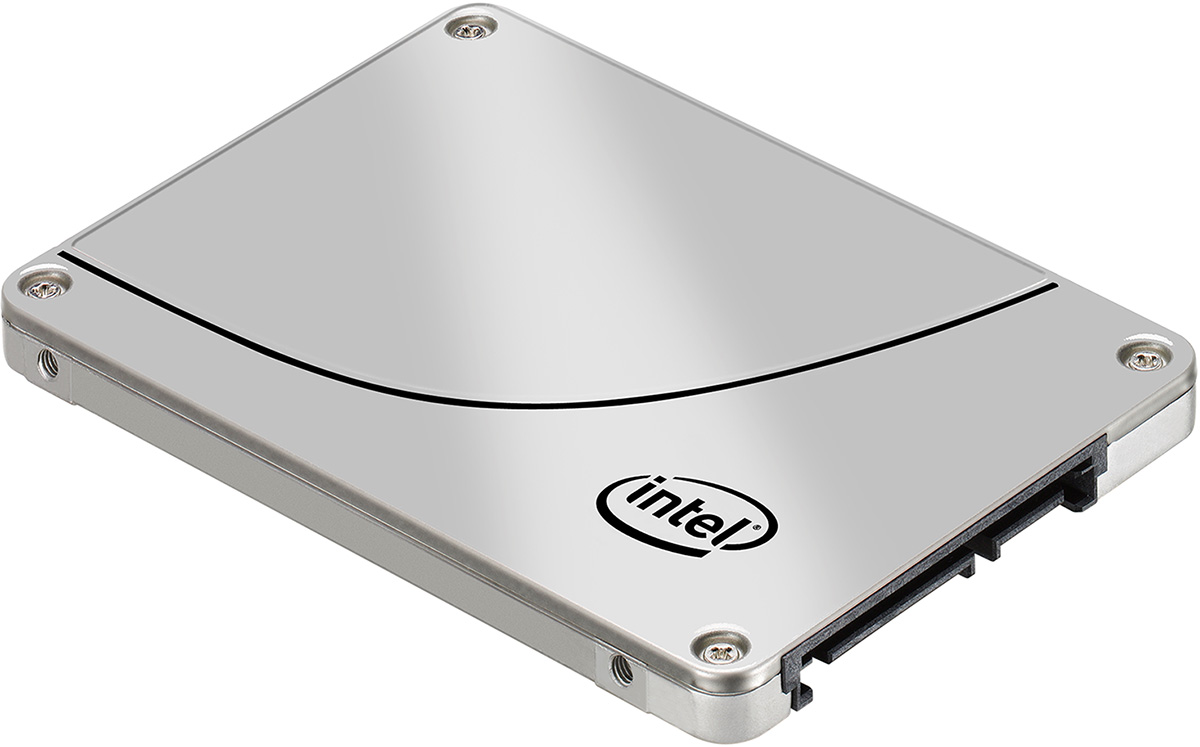
At present solid-state drives with extreme capacities are very expensive and even the best of them cannot match high-capacity hard disk drives for nearline storage applications. However, thanks to the evolution of NAND flash memory in general, and 3D vertical NAND (3D V-NAND) in particular, the situation may change soon and SSDs with 10TB or higher capacities will become reality.
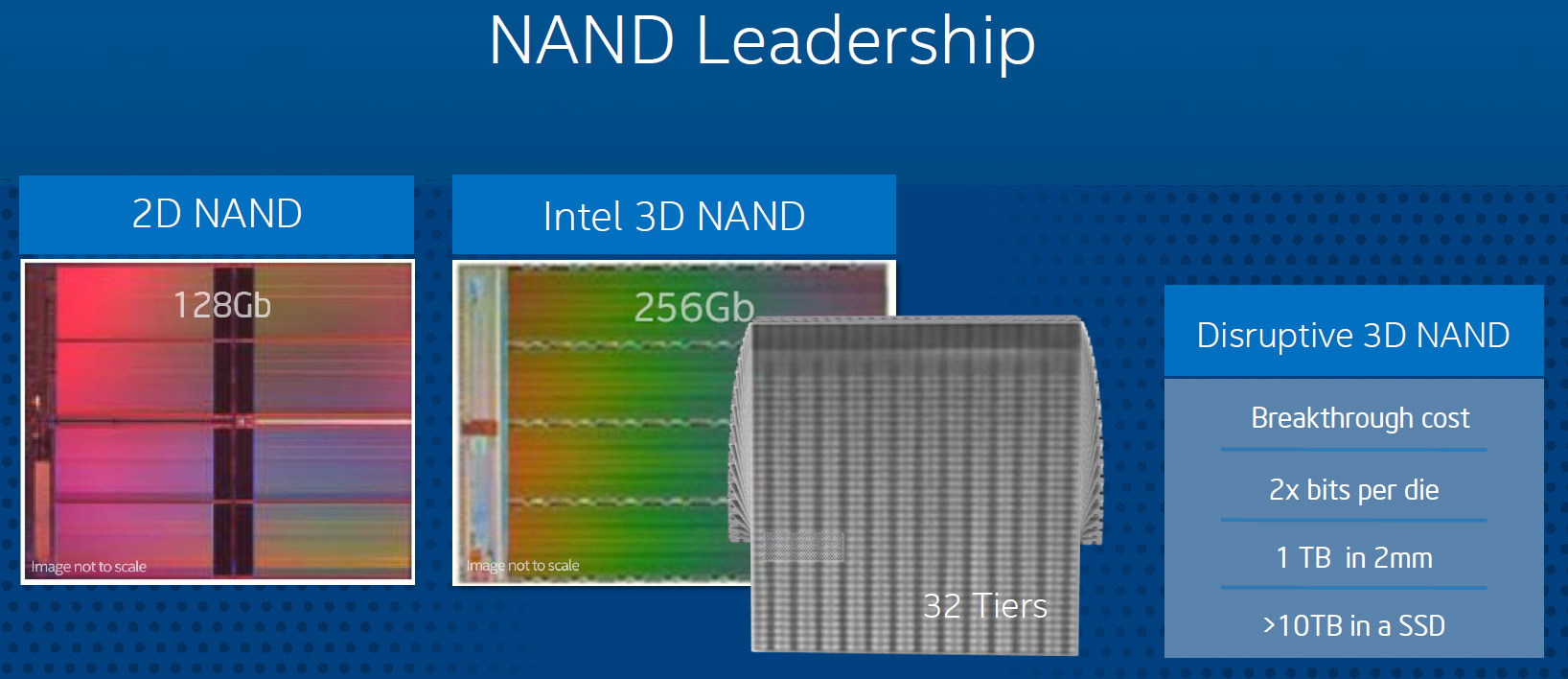
Intel Corp. revealed at its Investor Meeting 2014 event this week that in the second half of 2015 its joint venture with Micron Technology – Intel Micron Flash Technologies (IMFT) – will start mass production of 3D vertical NAND flash memory chips with up to 256Gb (multi-level cell, 2-bit-per cell) or 384Gb (triple-level cell, 3-bit-per cell) capacity. 3D V-NAND flash memory chips will feature 32-layer vertically stacked cell arrays that are “interconnected” using four billion through silicon vias (TSVs).
The upcoming 3D NAND chips from Intel and Micron will enable solid-state drives with capacities simply not possible today. According to Rob Crooke, senior vice president and general manager of Intel’s non-volatile memory group, the 3D NAND will enable 10TB and larger solid-state storage solutions in the next two years.
intel 3dnand 3d v nand flash micron 256kb 1024x443 Intel promises 10TB+ SSDs thanks to 3D Vertical NAND flash memory
In a bid to build 4TB Optimus Max solid-state drive earlier this year, SanDisk had to use 64 extremely expensive 64GB (512Gb) eMLC NAND flash memory packages (which integrate four 128Gb eMLC memory chips into one package) that rely on planar NAND flash and are made using thin process technologies. By contrast, Intel’s 256Gb MLC 3D NAND flash memory chip which can hold up to 32GB of data (384Gb/48GB TLC NAND flash) will be made using a mature (i.e., thicker) process technology (Intel does not disclose which one) and will have a “breakthrough” cost. As a result, multi-terabyte solid-state drives will not only become reality, but will not cost several thousands of pounds per unit.
Mr. Crook used a prototype solid-state drive based on the 32-layer 256Gb MLC NAND flash memory to run his presentation at the Investor Meeting 2014, which means that the technology is viable and products on its base are already functional.
At present Samsung Electronics produces 128Gb 24-layer and 32-layer 3D V-NAND MLC NAND memory chips using 42nm process technology. According to Chipworks, “visible” capacity of the 128Gb MLC 3D V-NAND chips is 86Gb, which means that Samsung remains pretty cautious about its multi-layer MLC NAND memory.
Intel’s 3D NAND memory project seems to be far more ambitious than Samsung’s: it will start at 32 layers and 256Gb capacity, which means that Intel’s chips will be more cost-efficient than those from its rival.
intel ssd enterprise 1 1024x637 Intel promises 10TB+ SSDs thanks to 3D Vertical NAND flash memory
While Intel’s upcoming 3D NAND chips could feature the cheapest cost-per-bit in the industry, its effect on the market of NAND flash-based storage may be limited. IMFT can produce around 70 thousand of 300mm wafers per month, which includes different types of memory, based on data from a ChinaFlashMarket.com report. While Intel and Micron could manufacture their 3D NAND memory at IMFS (80 thousand of 300mm wafers per month) or MTV (40 thousand of 300mm wafers per month) fabs, they will hardly be able to produce volumes comparable to those of Samsung’s. The South Korea-based conglomerate produces 3D V-NAND at its China Xi’an fab that is dedicated to this type of memory and which can process 100 thousand 300mm wafers per month. In addition, Samsung can make 3D V-NAND at other facilities, which total production capacity exceeds 400 thousand 300mm wafers per month.
Although Intel’s 3D NAND may not necessarily revolutionize the market of NAND flash storage in general, it still represents a great opportunity for the company to boost its revenue and SSD market share. Intel NAND and SSD revenue in 2014 is expected to be around $2 billion, thanks to innovations like 256Gb 3D NAND, it will grow further in the coming years.
Source: http://www.kitguru.net/components/memory/anton-shilov/intel-promises-10tb-ssds-thanks-to-3d-v-nand-flash-memory/
If you want to contact RDT please feel free to call between the hours of 9am-8pm AEST. deon@robertsondt.com Ph: 0426279566 or visit https://www.facebook.com/rdtaus

Tuesday, 18 November 2014

Nvidia unveils Tesla K80: dual-GPU accelerator with 24GB of GDDR5 memory

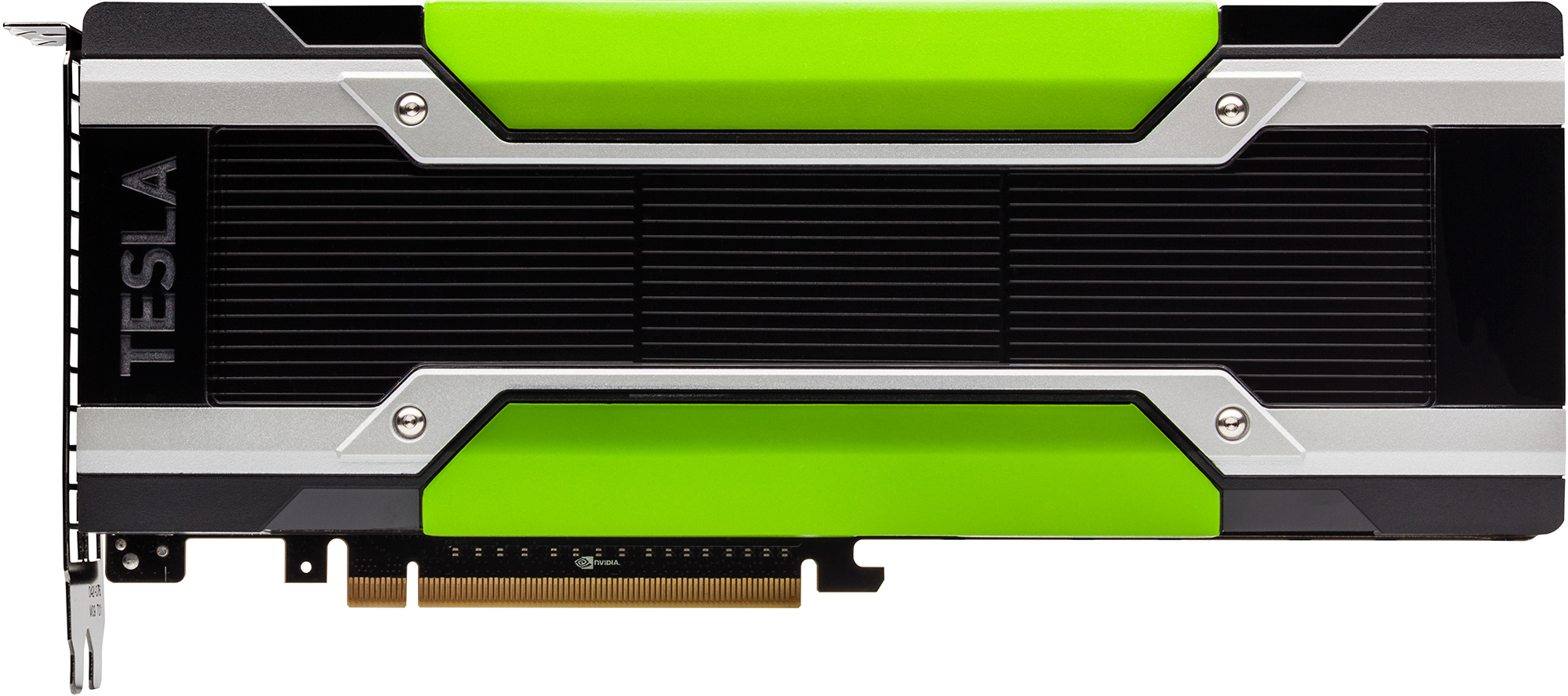
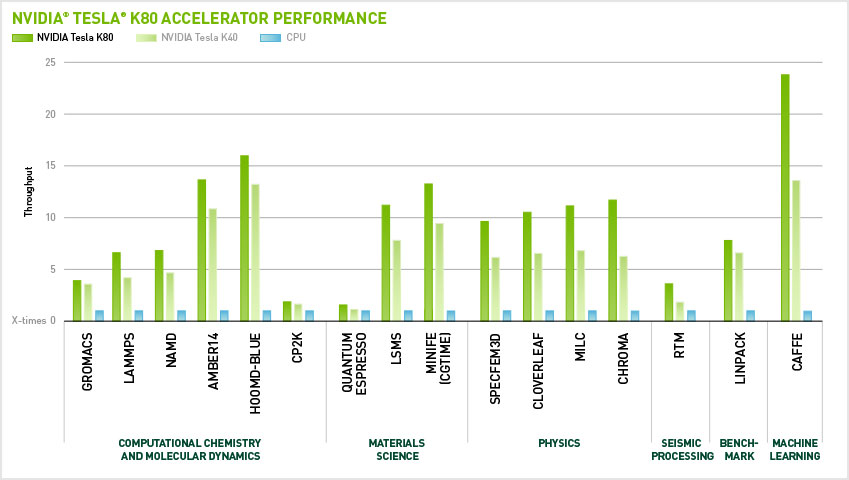
Nvidia Corp. on Monday unveiled what it claims to be the most powerful compute accelerator on the planet. The Tesla K80 dual-GPU solution sports 4992 stream processors as well as 24GB GDDR5 memory in a bid to offer unprecedented performance for difficult computational challenges, ranging from astrophysics, genomics and quantum chemistry to data analytics.
Nvidia Tesla K80 accelerator carries two brand-new GK210 processors developed specifically for high-performance computing market. Just like the GK110 graphics chips, the GK210 features up to 2880 stream processors (and up to 15 streaming multiprocessor clusters) as well as 384-bit memory bus. However, in a bid to offer better performance in compute applications, Nvidia increased the size of L1 cache of every SM cluster to 128KB (up from 64KB) and enlarged register file of every SM cluster to 512KB (up from 256KB). The new caching sub-system should significantly improve performance in numerous memory-bound applications.
nvidia tesla k80 2 1024x454 Nvidia unveils Tesla K80: dual GPU accelerator with 24GB of GDDR5 memory
The Tesla K80 accelerator is based on two GK210 processors with 2496 stream processors enabled (4992 stream processors in total). The GPUs operate at clock-rates between 562MHz and 875MHz thanks to GPU Boost technology. 24GB of GDDR5 memory function at 5.0GHz. effective frequency. The Tesla K80 delivers up to 8.74TFLOPS single-precision and up to 2.91TFLOPS double precision peak floating point performance.
nvidia tesla k80 accelerator performace Nvidia unveils Tesla K80: dual GPU accelerator with 24GB of GDDR5 memory
“Nvidia GPUs have become the de facto computing platform for the deep learning community,” said Yann LeCun, director of AI research at Facebook, and silver professor of computer science and neural science at New York University. “Because the accuracy of deep learning systems improves as the models and datasets get larger, we always look for the fastest hardware we can find. The Tesla K80 accelerator, with its dual-GPU architecture and large memory, gives us more teraflops and more GB than ever before from a single server, allowing us to make faster progress in deep learning.”
nvidia tesla k80 1024x826 Nvidia unveils Tesla K80: dual GPU accelerator with 24GB of GDDR5 memory
The Tesla K80 compute accelerators are available inside HPC servers and as compute cards. Each card costs $5000.

Source: http://www.kitguru.net/components/graphic-cards/anton-shilov/nvidia-unveils-tesla-k80-dual-gpu-accelerator-with-24gb-of-gddr5-memory/
If you want to contact RDT please feel free to call between the hours of 9am-8pm AEST. deon@robertsondt.com Ph: 0426279566 or visit https://www.facebook.com/rdtaus

Nvidia and AMD launch new drivers for Dragon Age and Far Cry 4

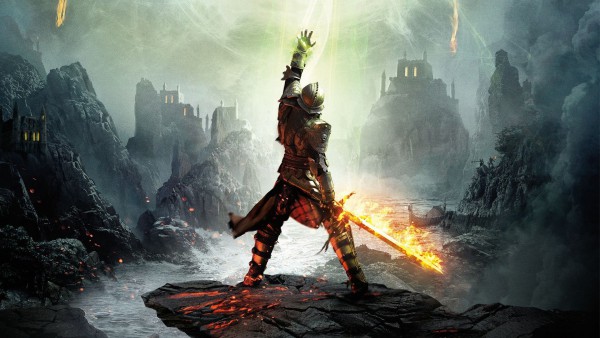
We have two very high-profile releases launching today, Far Cry 4 and Dragon Age Inquisition so to mark the occasion, Nvidia and AMD have launched new graphics drivers to help ensure that gamers can get as much performance as possible on day one.
First up lets talk about AMD’s Catalyst 14.11.2 beta driver. This update promises peak performance in Dragon Age and Far Cry with the latter receiving a 50 per cent performance boost in single GPU scenarios with Anti-Aliasing enabled. Dragon Age on the other hand gets a 5 per cent performance boost under the same conditions. Crossfire support has been added to Dragon Age but unfortunately, Far Cry 4 is having some issues:
“The AMD Crossfire profile for Far Cry 4 is currently disabled in this driver while AMD works with Ubisoft to investigate an issue where AMD Crossfire configurations are not performing as intended. An update is expected on this issue in the near future through an updated game patch or an AMD driver posting.”
daI cover e1416326302160 Nvidia and AMD launch new drivers for Dragon Age and Far Cry 4
Moving on to Nvidia’s 344.75 driver update, which unlike the Catalyst beta, bears Microsoft’s WHQL certification. This driver adds optimizations for Far Cry 4, Dragon Age Inquisition, World of Warcraft: Warlords of Draenor and even The Crew, which isn’t due out for another couple of weeks.
We don’t know exactly what kind of performance boost this driver will bring to those games but there is an SLI profile for Far Cry 4.
You can download the Catalyst Beta drivers, HERE. You can download Nvidia’s latest driver, HERE.
Source: http://www.kitguru.net/components/graphic-cards/matthew-wilson/nvidia-and-amd-launch-new-drivers-for-dragon-age-and-far-cry-4/
If you want to contact RDT please feel free to call between the hours of 9am-8pm AEST. deon@robertsondt.com Ph: 0426279566 or visit https://www.facebook.com/rdtaus

Wednesday, 12 November 2014

AMD’s Radeon R9 390X ‘Fiji XT’ may feature 4096 SPs, extreme memory bandwidth

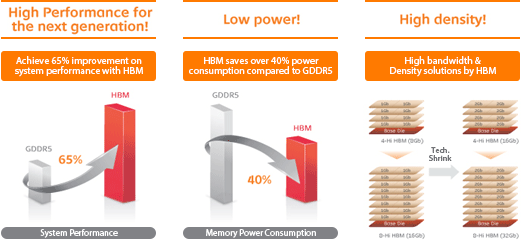
Advanced Micro Devices’ next-generation graphics processing unit is still several months away, but it looks like it is worth waiting. According to unofficial information from SiSoft Sandra benchmark’s database, the forthcoming GPU features unprecedented compute horsepower as well as uses multi-layer high-bandwidth memory with extreme bandwidth.
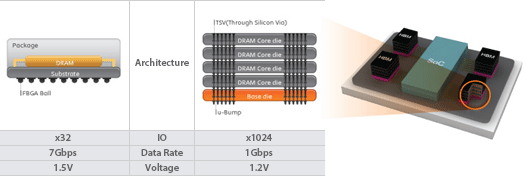
If the listing in Sandra’s database is correct and really describes a prototype of the Radeon R9 390X “Fiji XT” graphics card, the next-generation offering from AMD will feature 4096 stream processors (SPs) (which, in case of the GCN 1.2 architecture, means 64 compute units and 256 texture units) and 4096-bit memory bus. The memory sub-system will rely on SK Hynix’s stacked high bandwidth memory (HBM) chips with 1024-bit input/output interface (compliant with the Wide IO standard).
amd radeon hd 7000 artwork AMD’s Radeon R9 390X ‘Fiji XT’ may feature 4096 SPs, extreme memory bandwidth
The graphics card allegedly sports only 4GB of memory since the first-generation HBM features 2Gb DRAM dies and comes in 1GB memory devices, reports Wccftech. Only the second-generation HBM is expected to use 8Gb dies and therefore support 4GB and 8GB configurations.
If AMD’s Radeon R9 390X actually uses four first-generation HBM DRAM chips with 4096-bit memory bus operating at 1.25GHz, then the actual memory bandwidth the graphics card will sport will be whopping 640GB/s.
sk hynix hbm AMD’s Radeon R9 390X ‘Fiji XT’ may feature 4096 SPs, extreme memory bandwidth
With 4096 stream processors and amount of bandwidth never before seen on a single-chip graphics cards, the Radeon R9 390X will be the fastest graphics adapter on the market. In fact, with such extreme amount of stream processors, it will clearly leave behind any graphics solution based on Nvidia Corp.’s GM200 graphics processing unit.
sk hynix hbm 1 AMD’s Radeon R9 390X ‘Fiji XT’ may feature 4096 SPs, extreme memory bandwidth
While performance-wise the Radeon R9 390X “Fiji XT” seems to be very powerful, it remains to be seen how expensive will it be. New types of memory tend to cost a lot. Moreover, given that memory devices have to be placed on the same piece of substrate with the GPU, the whole graphics card has to be redesigned.
Source: http://www.kitguru.net/components/graphic-cards/anton-shilov/amds-radeon-r9-390x-fiji-xt-may-feature-4096-sps-extreme-memory-bandwidth/
If you want to contact RDT please feel free to call between the hours of 9am-8pm AEST. deon@robertsondt.com Ph: 0426279566 or visit https://www.facebook.com/rdtaus

Wednesday, 5 November 2014

These are the rumored Far Cry 4 PC system requirements

The Far Cry 4 PC system requirements have supposedly been spotted and unsurprisingly, they are fairly similar to that of Assassin’s Creed Unity, which recommended that all players have at least an Nvidia GTX 680 graphics card or better. However, while GPU requirements remain fairly high, CPU requirements have been scaled back a bit.
To start off with, Far Cry 4 will take up 30GB of hard drive space, which is a bit less than the upcoming Assassin’s Creed. A 64-bit OS is still required and the minimum specification requires that you have at least 4GB of RAM. The minimum CPU requirement includes an Intel Core i5-750 or an AMD Phenom II X4 995 and for graphics power you’ll need at least a GTX 460 or an AMD Radeon HD5850.
0x600 e1415206399479 These are the rumored Far Cry 4 PC system requirements
The recommended requirements include 8GB of RAM, an Intel Core i5 2400S CPU or AMD’s FX-8350. Just like with Assassin’s Creed Unity, Ubisoft recommends at least a GTX 680 with 2GB of VRAM but the company doesn’t seem to be spending much time testing AMD cards as the recommended Nvidia equivalent is the top of the line R9 290X, which is a much more powerful card.
It seems like the AMD GPU specification should be a mistake, it will likely be corrected to a Radeon 7970, which would bring it back in line with Assassin’s Creed.
Source: http://www.kitguru.net/desktop-pc/matthew-wilson/these-are-the-rumored-far-cry-4-pc-system-requirements/
If you want to contact RDT please feel free to call between the hours of 9am-8pm AEST. deon@robertsondt.com Ph: 0426279566 or visit https://www.facebook.com/rdtaus

Monday, 3 November 2014

LG to launch IPS monitor with ‘true 4K’ resolution

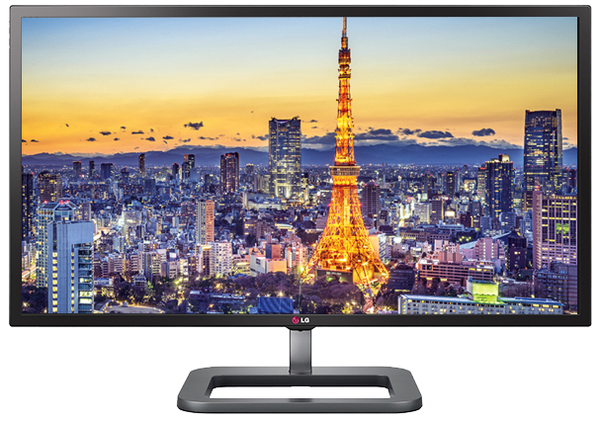
LG is set to launch a new IPS monitor sporting ‘true 4K’ resolution (4096×2160), the new panel is aimed at professionals and is marketed as a ‘Digital Cinema 4K monitor’.
Most 4K monitors on the market have a 3840×2160 resolution but the Ultra HD resolution is an easy to work with multiple of 1920×1080. The actual industry standard for 4K is 4096×2160, giving an aspect ratio of 17:9, making the monitor ideal for content creators as videos won’t need to be scaled down to fit the screen.
1 w 600 LG to launch IPS monitor with true 4K resolution
The LG 31MU97 is clearly aimed at professionals in all areas, it features  a large 31.5 Inch 10-bit color IPS panel, rather than the 8-bit TN panels we usually see on gaming 4K monitors. The LG panel is calibrated to 99.5 per cent of Adobe RGB space as well. Additionally, LG has calibrated the monitor to cover 97 per cent of DCI-P3 color space.
Hyoung-sei Park, head of the IT business division at LG Electronics, stated that LG hopes that this monitor will “solidify” the company’s “leadership in the global professional monitor market”.
“This monitor’s high-end features and functions make it the perfect solution for professionals who require a top-of-the-line monitor with all the technology currently available.”
The monitor will of course come with a stand that supports height and tilt adjustments as well as pivoting. Mini-Displayport, DisplayPort and two HDMI interfaces are available for connectivity.
Obviously with professional features comes a professional price tag. This monitor will set buyers back $1399.99.
Source: http://www.kitguru.net/peripherals/monitors/matthew-wilson/lg-to-launch-ips-monitor-with-true-4k-resolution/

If you want to contact RDT please feel free to call between the hours of 9am-8pm AEST. deon@robertsondt.com Ph: 0426279566 or visit https://www.facebook.com/rdtaus

Star Citizen to support 4K, 8K UHD resolutions, won’t run on consoles

Star Citizen, an upcoming space trading and combat simulator video game that is developed by legendary Chris Roberts, has already become the highest raising crowdfunded project of all time and is the first AAA crowdfunded video game. Apparently, the title could also become the first video game that will natively support both 4K and 8K ultra-high-definition (UHD) resolutions.
At the PAX Australia 2014 event Chris Roberts, the founder of Cloud Imperium Games, which develops Star Citizen, revealed that since the game is a PC-exclusive title and is not developed with video game consoles in mind, the company is working on ultra-high-resolution textures, which may indicate that the game is designed for future UHD displays.
star citizen 1024x522 Star Citizen to support 4K, 8K UHD resolutions, wont run on consoles
According to Chris Roberts, who spoke to TweakTown web-site, the development team is working on 4K and 8K textures and is “pushing the boundaries of the DirectX 11 and Mantle application programming interfaces.” By the time Star Citizen hits the market, DirectX 12 and improved Mantle APIs will be available, hence, what sounds like extreme today, will be more or less mainstream in 2016 or 2017, when Star Citizen hits the market. Cloud Imperium Games has no plans to make Star Citizen available on video game consoles, therefore, the company has a lot of flexibility when it comes to system requirements.
“I don’t care about consoles,” said Mr. Roberts.
While many titles today are designed for beyond 1080p resolutions and some are developed with ultra-high-definition displays with 4K resolutions in mind, Star Citizen will likely be the first title that will also natively support 8K displays and will even include textures that do not magnify (i.e., get blurry) at 7680*4320 when a player gets up close to surfaces. In a bid to do that, game developers need to use the largest possible texture sizes. For example, for textures where the player can get close enough for 1:1 texel to pixel ratio (walls, floors, asteroids, extremely large objects, etc.), 4096*4096 or 8192*8192 textures provide the highest quality on ultra-high-definition displays.
star citizen 1 1024x569 Star Citizen to support 4K, 8K UHD resolutions, wont run on consoles
While a number of games today use ultra-high-resolution textures in certain cases in a bid to provide additional details on modern monitors, 4K, 8K and 16K textures (such high-resolution textures are supported by multiple contemporary video game engines, including CryEngine 3/4, id Tech 5, etc.) are really needed for next-generation titles that will be played on UHD displays. The fact that Cloud Imperium Games throws in a number of 4K and 8K textures that is worth talking about may indicate that this is done for future PCs and for ultra-high-definition resolutions, such as 4K (3840*2160 or 4096*2160) and even 8K (7680*4320).
Source: http://www.kitguru.net/components/graphic-cards/anton-shilov/star-citizen-could-support-4k-8k-uhd-resolutions-will-not-run-on-consoles/
If you want to contact RDT please feel free to call between the hours of 9am-8pm AEST. deon@robertsondt.com Ph: 0426279566 or visit https://www.facebook.com/rdtaus

Thursday, 16 October 2014

Apple to launch iOS 8.1, Apple Pay on the 20th of October

Apple on Thursday said that its mobile payment system – Apple Pay – will go online starting the 20th of October, 2014, when the company rolls-out iOS 8.1, a new major update to the mobile OS from Apple. While the Apple Pay could eventually be a revolution, the vast majority of the company’s customers will expect the iOS 8.1 because of many other reasons.
When Apple released its iOS 8 last month, it faced a massive amount of criticism because of numerous bugs in the operating system as well as because the company removed certain features, but has never added certain new ones, which had been announced before. Among the key things that the iOS 8.1 adds/returns – among bug fixes and other things – there are Camera Roll as well as Continuity.
Continuity allows to make and receive phone calls on a Mac or an iPad as well as edit a single document on multiple devices at once. The cloud-based continuity technology will clearly make owners of Apple products generally more productive.
apple iphone pay 1024x989 Apple to launch iOS 8.1, Apple Pay on the 20th of October
For Apple itself the iOS 8.1 mobile platform has a meaning that is hard to overestimate. It will support Apple Pay, which is expected to bring hefty profits to the consumer electronics giant. With the help of Apple Pay the company will be able to significantly change the market of mobile payments thanks to support from major retailer networks. Moreover, Apple Pay will help the platform owner to earn on products sold by other companies, something that many firms just dream of.
“Our team has worked incredibly hard to make Apple Pay private and secure, with the simplicity of a single touch of your finger,” said Eddy Cue, Apple’s senior vice president of Internet software and services. “The reaction to Apple Pay has been amazing. We continue to add more Apple Pay ready banks, credit card companies and merchants, and think our users will love paying with Apple Pay.”
Apple Pay supports credit and debit cards from the three major payment networks, American Express, MasterCard and Visa, issued by popular banks. When a card is added to Apple Pay, the actual card numbers are not stored on the device nor on Apple servers. As an alternative, a unique Device Account Number is assigned, encrypted and securely stored in the Secure Element the iPhone or Apple Watch. Each transaction is authorized with a one-time unique number using the Device Account Number and instead of using the security code from the back of a card, Apple Pay creates a dynamic security code to securely validate each transaction.
Apple Pay relies on a dedicated chip called the Secure Element that is found inside the company’s iPhone 6, iPhone 6 Plus smartphones as well as Apple Watch. The Apple Pay requires a special NFC antenna found in the aforementioned gadgets; owners of iPhone 5, iPhone 5c and iPhone 5s will also be able to use the technology if they get Apple Watch.
Source: http://www.kitguru.net/apple/anton-shilov/apple-to-launch-ios-8-1-apple-pay-on-the-20th-of-october/
If you want to contact RDT please feel free to call between the hours of 9am-8pm AEST. deon@robertsondt.com Ph: 0426279566 or visit https://www.facebook.com/rdtaus

Cougar to release 600M gaming mouse

There’s a lot of old guard hardware makers in the gaming peripheral scene that offer great products, but that doesn’t mean you shouldn’t check out the ones from some of the fresher faces. The Cougar 700M I reviewed last week is a great example of something new and innovative and while lacking its adjustable ass-plate, the 600M set for release soon, also looks like an interesting gaming rodent.
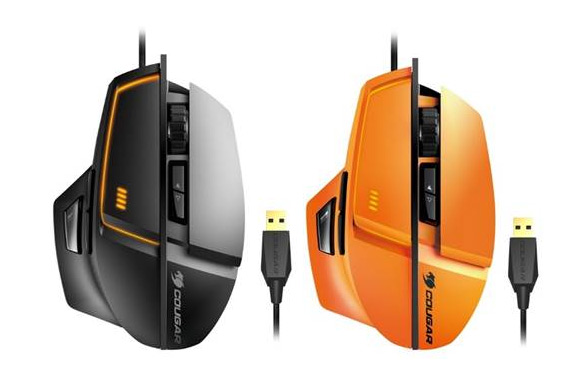
Where the 700M was designed for all grip types though, the 600M is more orientated towards claw gamers, even if Cougar does suggest it will work for palm and finger grippers too. However while perhaps less versatile than its airflow encouraging brother, the 600M comes in much more eye catching colours and features a DPI up/down control, instead of a cycle button.
600m Cougar to release 600M gaming mouse
Available in black, with orange trim, or orange with black, the 600M packs OMRON switches, an ADNS-9800 laser sensor that can hit 8200 DPI and 512KB of on-board memory for profile storage. It also has a 1,000Hz polling rate, eight remappable buttons and an onboard 32bit ARM processor for handling backend functions.
Source: http://www.kitguru.net/peripherals/mouse/jon-martindale/cougar-to-release-600m-gaming-mouse/
If you want to contact RDT please feel free to call between the hours of 9am-8pm AEST. deon@robertsondt.com Ph: 0426279566 or visit https://www.facebook.com/rdtaus

Wednesday, 15 October 2014

AMD and Nvidia already preparing for 8K (7680*4320) UHD displays

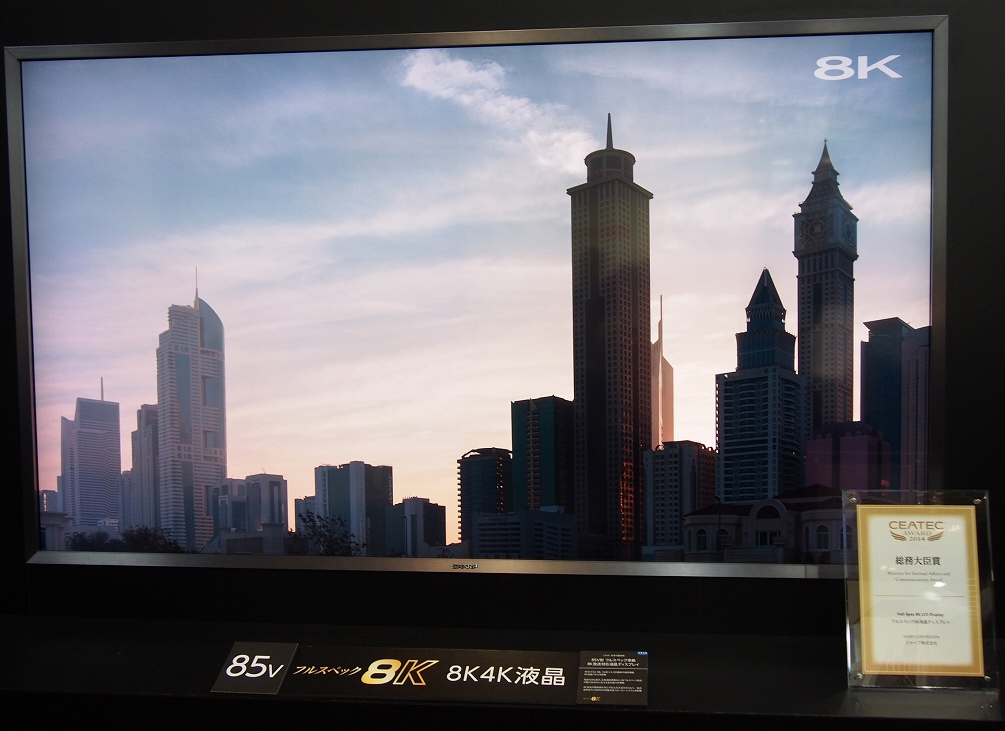
Nowadays the Holy Grail for core gamers are 4K (3840/4096*2160 resolutions) monitors as well as graphics cards capable of providing decent performance in such high resolutions. However, it is well known that makers of displays have already started to work on 8K (7680*4320 resolution) screens, which are not going to show up on the market earlier than in several years’ time. What is interesting is that designers of graphics processors have also started to think about 8K resolutions.
According to researchers from NHK (Nippon Hōsō Kyōkai, Japan Broadcasting Corp.) 8K ultra-high-definition television format is the final 2D format as the 7680*4320 resolution (and similar resolution) is the highest 2D resolution that the human eye can process. It is believed that after 8K all the future video formats should be stereoscopic. Therefore, 8K is something that will stay for a long time, which is why many companies are already thinking about how to build displays, graphics processors and software that take advantage of such ultra-high-definition video standard.
“If we get to a display resolution of about 8K horizontally and about 6K vertically then, for a player with 20/20 vision, they will have something that is close to perfect for their visual system,” said Richard Huddy, AMD’s chief gaming scientist, in an interview with PCGamesN.
sharp 8K tv1 AMD and Nvidia already preparing for 8K (7680*4320) UHD displaysA Sharp 8K UHD TV-set. Image by Hermitage Akihabara.
Nowadays there are virtually no single-chip graphics solutions that can render all games at 60fps in 3840*2160 or 4096*2160 resolutions. Those, who want to play in 4K UHD nowadays have to use multi-GPU graphics sub-systems. 4K UHD monitors display 8MP images (depending on actual resolutions), but 8K UHD displays will have to show whopping 33MP – 48MP pictures, which will require tremendous amount of graphics processing horsepower.
“That’s about 48 million pixels to fill the field of view,” said Mr. Huddy. “So it would take a card six times more powerful than a card capable of producing 4K graphics.”
Moreover, since video games and rendering techniques are getting more complex, graphics cards may need to be even more powerful in the future so to produce high-quality 8K UHD graphics. The chief gaming scientist at AMD believes that it may easily happen that GPUs will have to render essentially 16K images for 8K monitors, which means that twelve times higher graphics processing performance will be needed for 8K gaming (compared to performance of GPUs required today for 4K gaming).
“If you had 16K you’d offer a perfect experience, no one would see artifacts if they had 20/20 vision,” explained Mr. Huddy. “An eagle might be frustrated that it was low resolution for them but for the human eye that resolution is close to perfection.”
nvidia battlebox 4K uhd sli geforce gtx titan AMD and Nvidia already preparing for 8K (7680*4320) UHD displays
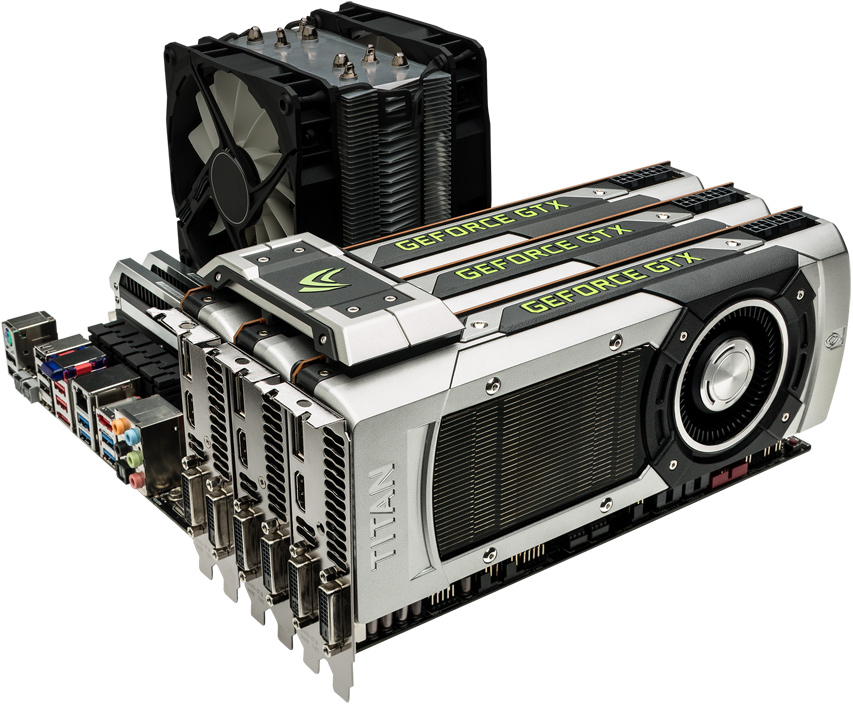
While performance of GPUs is increasing fast, it may not be increasing really fast for 8K and other graphical advancements. The first consumer 8K displays could emerge three to four years from now, which means that numerous graphics cards will be needed for 8K UHD gaming.
“8K, or anything above 4K is going to require multiple GPUs,” said Scott Herkelman, Nvidia’s head of GeForce GTX. “4K for most GPUs is pretty tough, the GeForce GTX 980 handles it well, but it’s still one of those things that the more GPUs you have the better it looks.”
It will be a hard task for GPU designers to create graphics processors that can render graphics in 8K-class UHD resolutions, moreover, it will require the industry to create new types of memory, cooling and other necessary devices. But will we ever have graphics cards that will enable 8K UHD games? Without any doubts!
Source: http://www.kitguru.net/components/graphic-cards/anton-shilov/amd-and-nvidia-already-preparing-for-8k-76804320-uhd-displays/
If you want to contact RDT please feel free to call between the hours of 9am-8pm AEST. deon@robertsondt.com Ph: 0426279566 or visit https://www.facebook.com/rdtaus

TDK: HAMR technology could enable 15TB HDDs already in 2015

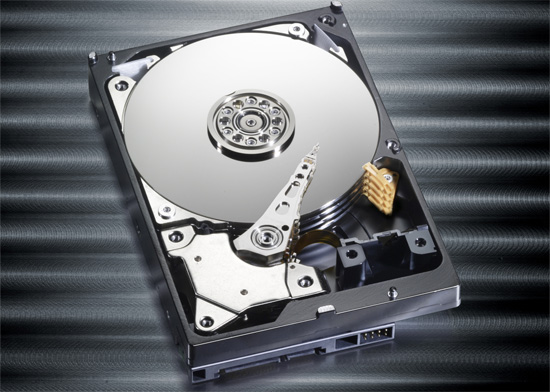
At the Ceatec trade-show in Japan last week TDK demonstrated its new heads for hard disk drives that support the heat-assisted magnetic recording (HAMR) technology. Such heads could enable next generations of hard drives with rather extreme capacities already next year.
Capacities of modern hard drives are – among other things – constrained by the physical size of “pitches” on hard disk drives media required to store a single bit of information. Heat-assisted magnetic recording (HAMR) magnetically records data on high-stability media (such as iron platinum alloy) using laser thermal assistance to first heat the material, which allows to greatly reduce the size of “pitches” without negative effects on read-ability, write-ability and stability. As a result, HDDs featuring HAMR will be able to store considerably higher amounts of data than today’s hard drives featuring perpendicular recording tech.
Previously it was believed that HAMR will only become viable sometimes in 2017, but in the recent years TDK, Seagate and Western Digital intensified their HAMR development and even demonstrated working HDDs featuring the technology.
wdc caviar black hdd 2 550 TDK: HAMR technology could enable 15TB HDDs already in 2015
According to a spokesperson for TDK, which is cited by Futurezone, the first commercial drives featuring HAMR technology could emerge in late 2015 or early 2016. No exact details about the drives are available today, but it is reported that the initial HDDs featuring HAMR could provide capacities of around 15TB.
It is highly likely that the firs HAMR-based hard drives will be aimed at near-line storage applications that require HDDs with maximum capacity. Eventually HAMR will migrate to consumer hard disk drives.
Seagate or Western Digital did not comment on the news-story.
Source: http://www.kitguru.net/components/hard-drives/anton-shilov/tdk-hamr-technology-could-enable-15tb-hard-drives-already-in-2015/
If you want to contact RDT please feel free to call between the hours of 9am-8pm AEST. deon@robertsondt.com Ph: 0426279566 or visit https://www.facebook.com/rdtaus

Monday, 13 October 2014

Futuremark launches world’s first 4K ‘Ultra HD’ benchmark

The buzz around 4K gaming has been growing fast this year, with many enthusiasts adopting new monitors as they come down in price but until now, there hadn’t been an Ultra HD benchmarking tool available. Futuremark has officially released Fire Strike Ultra, the world’s first 4K benchmark, which is now available to use in the latest version of 3DMark.
Fire Strike Ultra renders the test content at 3840×2160 before scaling the output to your PC’s resolution, making it possible to test your current hardware performance before deciding to adopt a 4K screen. To run this benchmark, you will need a GPU with at least 3GB of VRAM.
Fire Stike Ultra e1413210417720 Futuremark launches worlds first 4K Ultra HD benchmark
Fire Strike Ultra Processing Futuremark launches worlds first 4K Ultra HD benchmark
Average amount of processing performed per frame.
While it was already possible to run tests at 4K with custom settings in 3DMark, this dedicated test will provide a common reference point for enthusiasts looking to compare results. Fire Strike Ultra is a demanding test, in order to run the second graphics test at a steady 60 frames per second at 4K, your PC will need to process 66 billion pixels per second, requiring a monstrous amount of power.

To coincide with the launch of this new graphics test, a Fire Strike Ultra leaderboard has gone live in the Futuremark Hall of Fame. Fire Strike Ultra is now available in the latest versions of 3DMark Advanced Edition and 3D Mark Professional Edition. The Steam version of the benchmark will update automatically.
Source: http://www.kitguru.net/components/graphic-cards/matthew-wilson/futuremark-launches-worlds-first-4k-ultra-hd-benchmark/ 
If you want to contact RDT please feel free to call between the hours of 9am-8pm AEST. deon@robertsondt.com Ph: 0426279566 or visit https://www.facebook.com/rdtaus
Sunday, 12 October 2014

Lineup of mobile Skylake chips to feature tens of models in 2015

Intel Corp. plans to release a rather broad range of microprocessors based on the Skylake micro-architecture for mobile computers next year, according to a new media report. The upcoming central processing units (CPUs) will address all kinds of mobile devices, including tablets, 2-in-1s, mainstream notebooks as well as high-performance laptops.
As expected, the family of mobile central processing units powered by the Skylake micro-architecture will include three major lines: Skylake-Y for ultra-low-power devices, Skylake-U for mainstream notebooks and Skylake-H for high-end workstation- or gaming-class laptops. Each line will include from four to 15 models, which means that there will be at least 19 different mobile Skylake CPUs net year (four SKL-Y + four SKL-H + 15 SKL-U), reports CPU World.
General specifications of the new chips will look as follows:
  • Skylake-Y (SKL-Y): Core M product line. The chips will feature 2 cores with Hyper-Threading, GT2-class graphics, on-package core-logic set, 3MB or 4MB cache, vPro and TurboBoost technologies. TDP: 4W or lower.
  • Skylake-U (SKL-U): Core i7, Core i5, Core i3, Pentium and Celeron product lines. The chips will feature 2 cores with or without Hyper-Threading, GT1/GT2/GT3/GT3e-class graphics, on-package core-logic set, 2MB, 3MB or 4MB cache, vPro and TurboBoost technologies (on select models). TDP: 15W or 28W.
  • Skylake-H (SKL-H): Core i7, Core i5, Core i3 product lines. The chips will feature 4 cores with Hyper-Threading (Core i3 will feature 2 cores), GT3/GT4-class graphics with or without embedded cache, large L3 caches, vPro and TurboBoost technologies (on select models). TDP: 35W or 45W.
Note: It is unclear which chips support DDR3/DDR3L/LPDDR3 and which also support DDR4.
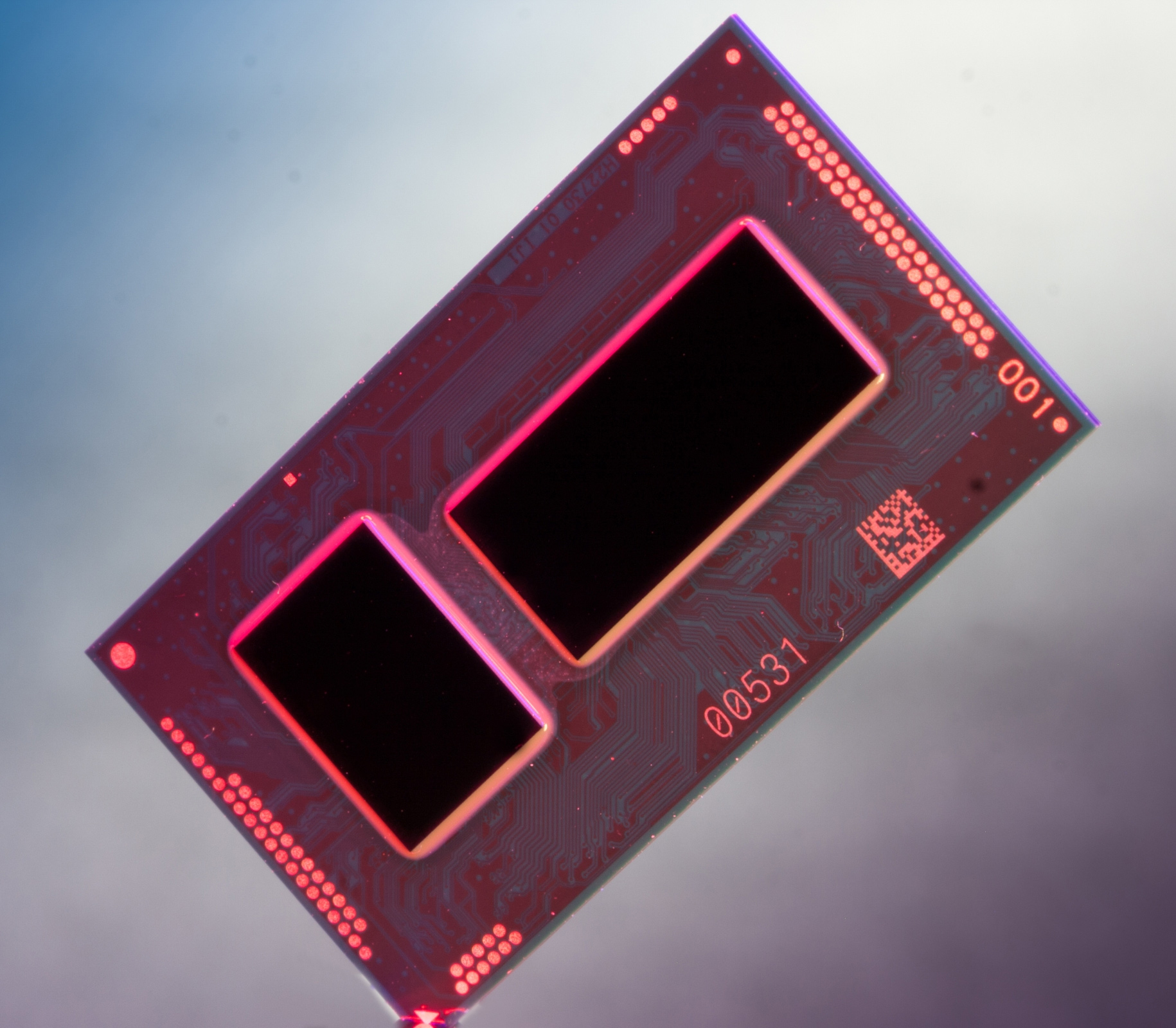
intel core m broadwell 14nm 1024x894 Lineup of mobile Skylake chips to feature tens of models in 2015Intel Core M “Broadwell-Y” processor. Image for illustrative purposes only.
The broad family of mobile Skylake microprocessors indicates that Intel plans to ramp up production of Skylake chips pretty quickly and therefore there will be a lot of systems featuring the latest processors in 2015. Unfortunately, there are no launch details or launch dates for Skylake CPUs.
Central processing units based on Intel’s Skylake micro-architecture are expected to feature considerably improved graphics, a bunch of special-purpose accelerators (e.g., HEVC and VP9 hardware decoders) and support such technologies as AVX 3.2 (512-bit instructions), SHA extensions (SHA-1 and SHA-256, secure hash algorithms), MPX (memory protection extensions), ADX (multi-precision add-carry instruction extensions) and other innovations.
The next-gen Skylake client platform due in 2015 will also be accompanied with numerous connectivity and I/O options, such as Snowfield Peak (Wi-Fi, Bluetooth), Douglas Peak (WiGig, Wi-Fi, Bluetooth), Pine Peak (WiGig), Alpine Ridge (Thunderbolt 3.0 with 40Gb/s transfer rate), Jacksonville Ethernet, next-generation XMM726x-series WWAN 4G/LTE modem and so on. Mobile platforms based on Skylake will support Rezence wireless charging.
Source: http://www.kitguru.net/components/cpu/anton-shilov/lineup-of-mobile-skylake-chips-to-feature-tens-of-models-in-2015/
If you want to contact RDT please feel free to call between the hours of 9am-8pm AEST. deon@robertsondt.com Ph: 0426279566 or visit https://www.facebook.com/rdtaus
Friday, 10 October 2014

Popcorn Time goes down after domain suspension

Popcorn Time, the ‘Netflix for pirates’ has had one of its most used domains, time4popcorn.eu, suspended and as a result, the application has stopped working for many users. According to an email sent by EURid, the registry explained that the domain was pulled due to being registered with inaccurate contact details.
“Upon verification of the contact data for your .eu domain name, we have reason to believe that your contact data is inaccurate”, the email then goes on to ask the Popcorn Time team to show proof of identity. As a result of this, Popcorn Time’s website is no longer loading, the same goes for the desktop and iPhone applications.
popcorn time 0 e1412938768943 Popcorn Time goes down after domain suspension
The developers have quickly switched the site over to a new operating site but it will take a while to update the application:
“At the moment the desktop and iPhone versions aren’t working but in a few hours we’ll update the desktop version to the new domain and it should update automatically for most and will work. If for some reason some users didn’t get the automatic update, they’ll be able to re-download the app”.
The team behind Popcorn Time have claimed that the service will “never be taken down” and have said that the next update, beta 5.0, will make “this kind of scenario nearly impossible.”
It is currently not known why EURid believes that the contact information given for the domain was inaccurate but its likely that this was the result of a routine check.
Source: http://www.kitguru.net/channel/generaltech/matthew-wilson/popcorn-time-goes-down-after-domain-suspension/
If you want to contact RDT please feel free to call between the hours of 9am-8pm AEST. deon@robertsondt.com Ph: 0426279566 or visit https://www.facebook.com/rdtaus
Facebook doesn’t even know what to do with Whatsapp

Earlier this year, in a slightly surprising move, Facebook acquired popular messaging app, Whatsapp, for £13.6 billion ($22 billion). You’d think that a company paying out that much would at least have a plan to make that money back, right?
It turns out that Facebook CEO, Mark Zuckerberg has no immediate plans for the company’s latest mobile acquisition according to Reuters. The CEO admitted at an event in India that he has “no near-term plans to make money from the service.”
Facebook was originally set to buy Whatsapp for $19 billion but due to the company’s increased stock value, the final bill rose to $22 billion, or £13.6 billion here in the UK.
whatsapp 600x340 Facebook doesnt even know what to do with Whatsapp
Whatsapp works across all phone platforms, across borders without advertising. The app only charges users £0.69 or $0.99 a year after they’ve used it for a single year. Additionally, if you happen to get a new phone number before the subscription renews, then you’ll end up with another year free, meaning that Whatsapp isn’t making a ton of money on its own.
Since Facebook has no plans for Whatsapp, it’s still very unclear as to why the company felt the need to shell out so much money for it.
Source: http://www.kitguru.net/channel/generaltech/matthew-wilson/facebook-doesnt-even-know-what-to-do-with-whatsapp/
If you want to contact RDT please feel free to call between the hours of 9am-8pm AEST. deon@robertsondt.com Ph: 0426279566 or visit https://www.facebook.com/rdtaus